Dental Crowns for Molars: Strength Where It Matters Most
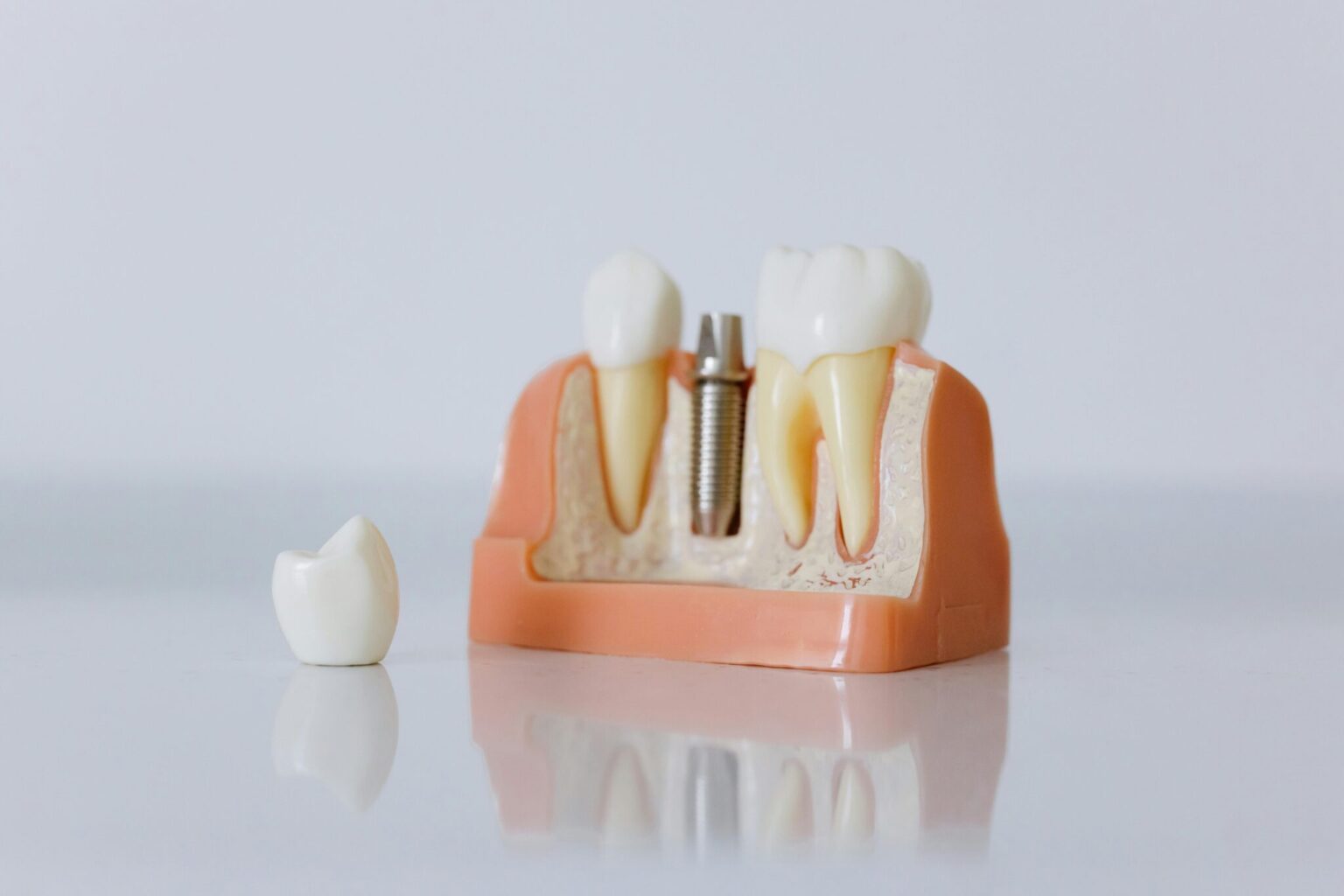
Molars do the least glamorous work in the mouth, and they do most of it. They grind fibrous vegetables, crush ice that should not have been chewed in the first place, and absorb the force of clenching during long commutes, stressful meetings, and sleep. When a molar is weakened by decay, a large filling, a crack, or root canal treatment, the restoration placed on that tooth has to do more than look acceptable. It has to survive real pressure, day after day, year after year. That is where Dental Crowns become especially important.
Front teeth get attention because they show when we smile. Molars deserve respect because they keep the whole chewing system working. When a back tooth breaks down, patients often try to manage around it for a while. They chew on the other side, avoid harder foods, and hope the occasional twinge fades. Sometimes it does, for a few weeks. More often, the tooth continues to flex, crack, or leak around an old filling until the problem gets more expensive and less predictable. A well-made crown on a molar is often less about cosmetic repair and more about structural rescue.
Why molars fail so often
Molars sit in the highest-load zone of the mouth. The bite force in the back can be several times greater than what the incisors handle. Add years of coffee, acidic drinks, nighttime grinding, old silver fillings, and the natural fatigue that all teeth experience, and it becomes easy to see why molars are frequent candidates for crowns.
One pattern appears again and again in clinical practice. A patient comes in with a tooth that had a filling placed ten or fifteen years ago. The filling was perfectly reasonable at the time, but decay recurred around the edges or a corner of the tooth chipped away. Now the remaining enamel walls are thin. The tooth may not hurt much yet, which can create a false sense of security. The issue is not only the cavity. It is the loss of tooth architecture. Once too much of the original cusp structure is gone, another filling may act like patching drywall in a load-bearing beam. It restores shape, but not dependable strength.
Cracks are another common reason molars end up needing full coverage. Some cracks are visible and dramatic. Many are not. A patient may describe a sharp zing when releasing after biting on bread with seeds or on a piece of chicken. That symptom often points to cuspal flexure, meaning the tooth is bending microscopically under pressure. A crown can bind the tooth together and reduce that flexing. It does not erase every type of crack, but it can make the difference between a salvageable tooth and one that splits beyond repair.
Root canal treatment changes the equation too. A molar that has had a root canal is not necessarily fragile because it has become "dead" in some mystical way. The bigger issue is usually the amount of structure that was already lost from decay, fracture, and access preparation. If enough tooth has been removed, the remaining shell is vulnerable, especially under back-tooth forces. For molars, a crown after root canal treatment is often recommended because the risk of fracture rises sharply without full cuspal protection.
What a crown actually does
People often hear the phrase "cap" and imagine something cosmetic slipped over a tooth like a helmet. A crown is more sophisticated than that. It is a custom restoration designed to cover and support a damaged tooth while restoring shape, bite, and function. On a molar, that means rebuilding the chewing table and reinforcing the outer walls so they can handle compressive and lateral forces.
A crown does not make a weak tooth indestructible. That would be an unrealistic promise. What it can do is redistribute stress and reduce the chance that the remaining tooth structure will continue to fracture. Think of it less as armor and more as engineered containment. When designed properly, it allows the tooth to participate normally in chewing again without every meal becoming a stress test.
The fit matters just as much as the material. Margins that adapt well help keep bacteria out. Contacts with neighboring teeth prevent food packing. The occlusion, meaning how the crown meets the opposing teeth, has to be adjusted with care. A crown that is even slightly high can trigger soreness, jaw tension, or fracture under repeated force. A crown that is undercontoured can trap food and irritate the gum. Precision matters in the back of the mouth because small errors get magnified under load.
When a filling is no longer enough
Patients often ask a fair question: if a tooth already has a filling, why not just replace it with a bigger filling? Sometimes that is the right choice. Sometimes it is not. The answer depends on how much sound tooth remains and where the damage sits.
A useful rule in practice is to look at cusp involvement. If the filling or fracture extends across multiple cusps, especially in a molar, the remaining enamel walls may be too thin to trust long term. Composite fillings bond well and can be excellent restorations, but they do not eliminate the physics of leverage. Under chewing pressure, thin cusps can snap off. That usually happens at inconvenient times, like during a holiday meal or while traveling.
There is also a point where repeated replacement becomes self-defeating. Each time an old filling is removed, a little more tooth structure may need to come with it. A molar that has been repaired three or four times can end up with a patchwork foundation. At that stage, a crown often provides a more durable solution than another direct restoration. It asks for more treatment up front, but it can preserve the tooth more predictably over the next decade.
Patients sometimes worry that recommending a crown means the tooth is nearly hopeless. Usually, it means the opposite. It often means the tooth can still be saved and used well, provided it is reinforced before the next failure occurs.
Material choices matter, but not in the way most people think
There is no single "best" crown material for every molar. The right choice depends on bite force, available space, esthetic priorities, grinding habits, and the condition of the underlying tooth. For back teeth, strength and fit usually matter more than translucency.
Monolithic zirconia has become a common option for molars because it is strong and can be made with relatively conservative thickness in some cases. It performs well in heavy-bite patients when designed correctly. That said, strength on paper is not the whole story. Very hard materials can be unforgiving if the bite is not adjusted properly. Surface finish matters too. A polished zirconia crown is generally kinder to the opposing tooth than a rough one.
Porcelain-fused-to-metal crowns still have a place, especially where long-term track record and specific design needs matter. They are not as fashionable as they once were, but well-made ones can last many years. Their drawbacks include the potential for porcelain chipping and, in some cases, a visible metal margin if the gum recedes.
Gold crowns deserve more respect than they often get. In terms of fit, longevity, and friendliness to opposing teeth, gold has an excellent reputation. Dentists who have been in practice long enough have seen gold molar crowns functioning beautifully after twenty or even thirty years. Patients sometimes decline them for cosmetic reasons, which is understandable, but from a pure performance standpoint they are hard to dismiss.
Lithium disilicate can work in selected posterior situations, though many clinicians are more cautious with it for high-force molars, especially in patients who grind. Again, case selection matters. The mouth is not a laboratory block. A material that performs beautifully in one patient can fail early in another if the functional environment is harsher.
The appointment experience, stripped of mystery
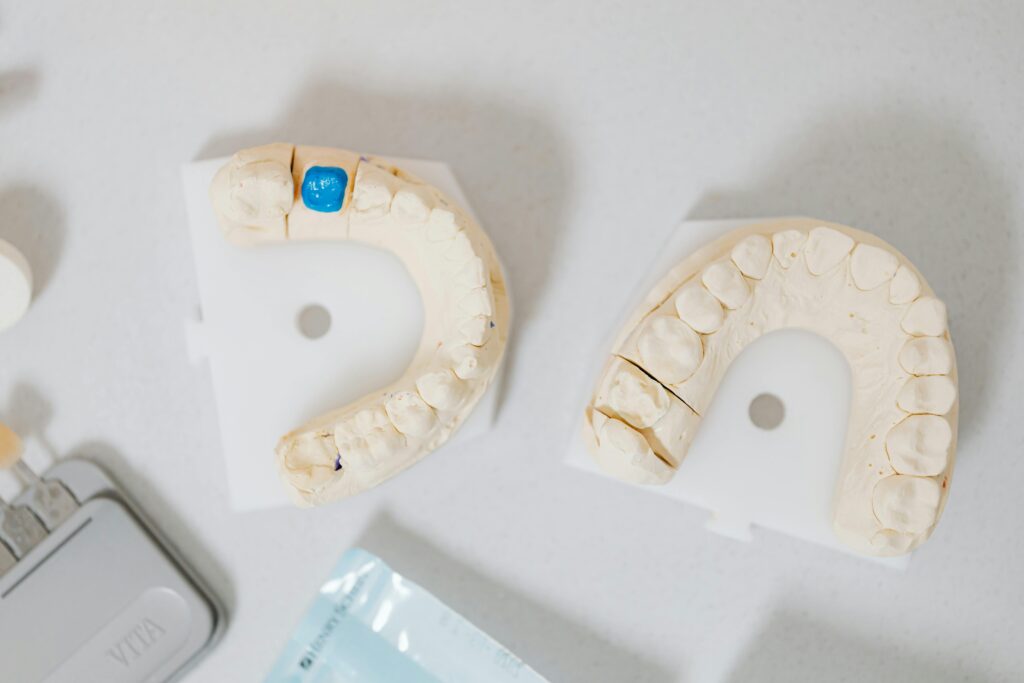
For patients who have never had a crown on a molar, the process feels more manageable when it is explained plainly. The tooth is numbed, shaped to create omnidentalspecialty.com Dental Crowns space for the crown material, and scanned or impressed so the final restoration can be fabricated. A temporary crown is usually placed if the final crown is made by a laboratory. At the second visit, the temporary is removed, the fit is verified, the bite is adjusted, and the final crown is cemented or bonded depending on the material and clinical plan.
Same-day crowns are an option in some offices, and they can be convenient. Convenience, though, should not be the only filter. A same-day workflow can be excellent when the equipment, design, and operator skill are strong. A lab-fabricated crown can be excellent when a meticulous technician is involved. What matters is not whether the crown was milled in-house or off-site. What matters is whether the restoration fits, functions, and is appropriate for that tooth.
The temporary phase often teaches something useful. If a patient reports persistent soreness on biting with the temporary, it may indicate bite issues, a deeper crack, or inflammation that needs attention before the final crown goes on. Skipping over those signals is a mistake. The final crown should not be treated as the moment all uncertainty disappears. It is the moment to verify that the tooth is ready and the plan still makes sense.
After a root canal, timing counts
One of the most preventable disappointments in restorative dentistry happens when a molar receives root canal treatment, feels better, and then sits for months without definitive coverage. The pain is gone, so the urgency seems gone too. Structurally, the opposite may be true.
A root canal-treated molar can continue functioning for a short time with a temporary or large buildup, but every week of unprotected chewing carries some risk if the remaining walls are thin. I have seen teeth return with a cusp broken off flush to the gum, turning a straightforward crown case into a crown-lengthening discussion, an extraction, or an implant referral. Patients are often surprised because the tooth had stopped hurting. Pain is not a reliable measure of structural safety.
That does not mean every root canal-treated molar must be crowned immediately in every scenario. A very conservatively accessed tooth with abundant intact structure may be different from a tooth that lost half its chewing surface to old decay. Clinical judgment matters. Still, for many molars, delaying the crown too long is gambling with a tooth that has already used up a fair amount of its reserve.
Bite habits can make or break the result
Some crown failures are not about material defects or poor hygiene. They are about force. If a patient clenches during sleep, chews hard objects, or has a bite pattern that concentrates stress on one cusp, even a beautifully made molar crown is working overtime.
This is why a night guard is not an upsell in many cases. For a patient with evident wear facets, fractured fillings, jaw soreness, or a history of breaking dental work, a protective appliance can significantly improve the odds that crowns and natural teeth will last. It is easier to preserve dentistry than to keep replacing it. Not every grinder knows they grind. Often the clues show up first in the mouth, not in the patient’s awareness.
There is also the matter of habits that seem harmless because they are brief. Chewing ice, cracking nuts with the back teeth, holding pins or bottle caps, and absentmindedly biting hard candy can deliver concentrated forces that exceed what a compromised tooth can tolerate. A crown restores function, but it does not grant permission to abuse the tooth.
Longevity, and what affects it more than brand names
Patients understandably want to know how long a molar crown will last. The honest answer is a range, not a promise. Many crowns serve well for ten to fifteen years, and many last longer. Some fail earlier due to decay at the margin, fracture, loss of retention, gum changes, or bite-related overload. Longevity depends less on marketing language and more on fundamentals.
A few factors consistently tilt the odds in the right direction:
- Sound tooth structure under the crown
- Precise fit and well-adjusted bite
- Good home care around the gumline
- Management of grinding or clenching
- Regular follow-up before small issues become major ones
Recurrent decay is one of the biggest threats. A crown covers a tooth, but it does not make the margins immune to plaque and acid. If a patient tends to get decay easily, especially near the gumline, daily hygiene and diet counseling matter as much as the crown itself. I have seen technically excellent crowns fail because the surrounding habits never changed. I have also seen modestly glamorous restorations last beautifully because the patient kept the area clean and came in regularly.
Cement choice, bonding protocol, and preparation design also play their part, though these are largely the clinician’s domain. Patients often focus on the crown material because it is tangible. The invisible details of preparation and placement are often just as important.
Cost, value, and the expensive version of waiting
A molar crown is an investment, and it is reasonable for patients to weigh cost carefully. The mistake is to compare the price only to a filling placed that same day. The better comparison is often between a timely crown now and a chain of escalating treatment later.
When a weakened molar breaks further, the next step may involve root canal treatment, gum surgery to expose more tooth, crown replacement, or extraction and implant planning. None of those tends to lower the total cost. More importantly, each additional procedure consumes more tooth structure and more time. The least expensive path over a decade is often the one that stabilizes the tooth before it fails dramatically.
That said, not every compromised molar is worth crowning. If a tooth has deep decay extending below the gum, an unfavorable crack direction, poor periodontal support, or limited strategic value in a crowded treatment plan, placing a crown can become heroic dentistry with a poor return. Experience means knowing when to restore and when to step back. A crown is a strong tool, not a magic one.
What patients usually notice after placement
Most patients adapt to a new molar crown quickly. The common short-term sensations are mild tenderness when biting, awareness that the tooth feels slightly "different," and temporary gum irritation around the margin. Those issues often settle within days to a couple of weeks. Persistent pain, temperature sensitivity that worsens rather than improves, floss shredding between contacts, or a bite that feels off should be checked promptly.
A crown that feels too tall rarely "wears in" the way patients hope. Even a small high spot can keep a tooth inflamed. A two-minute bite adjustment can solve what weeks of waiting will not. This is one reason I encourage patients not to be stoic after crown delivery. Reporting an issue early is not complaining. It is protecting the result.
There is also a psychological shift worth mentioning. Many patients chew cautiously on a crowned molar for a while because they remember the tooth as fragile. Once the bite is comfortable and the restoration has settled in, confidence usually returns. That confidence matters. People eat better, chew more evenly, and stop overloading the opposite side.
The real goal is not the crown, it is a stable tooth
It is easy to talk about Dental Crowns as products, almost like parts in a catalog. In practice, the crown is only the visible end of a bigger objective: preserving a useful molar in a demanding environment. The best molar crowns do not call attention to themselves. They let patients eat without planning around a weak side. They stop the cycle of patch, crack, patch again. They restore predictability.
Strength matters most in the back Dental Crowns of the mouth because failure there changes how the whole system works. A compromised molar can quietly alter chewing patterns, create food traps, irritate the jaw, and pull attention away from everything else in daily life. When the diagnosis is sound and the treatment is executed well, a crown can return that tooth to service with a level of reliability that simpler repairs often cannot match.
For molars, that is the standard worth aiming for. Not merely a repaired tooth, but a durable one.
Omni Dental Specialty
1690 E Gonzales Rd, Oxnard, CA 93036, United States
+1 805-410-9603
FAQ About Dental Crowns
How long do crowns last on teeth?
A dental crown often lasts about five to fifteen years, although some last longer. Material, the underlying tooth, oral hygiene and grinding habits affect longevity. Regular dental examinations help identify wear, decay or a loose crown; no lifespan is guaranteed.
How much does a tooth crown cost?
There is no single price for every crown. Material, laboratory work, the condition of the tooth and any additional treatment affect the fee. Ask for a written estimate and confirm your insurance benefits, exclusions and out-of-pocket costs before treatment.
What is the downside of crowns on teeth?
A conventional crown usually requires irreversible removal of some tooth structure. Possible problems include sensitivity, chipping, loosening and decay at the crown margin; some teeth later need root canal treatment. Discuss your tooth's condition, material choices and suitable alternatives with your dentist.
Ends · STEPHENPUHR964