Temporary Dental Crowns: What Happens Before the Permanent One?
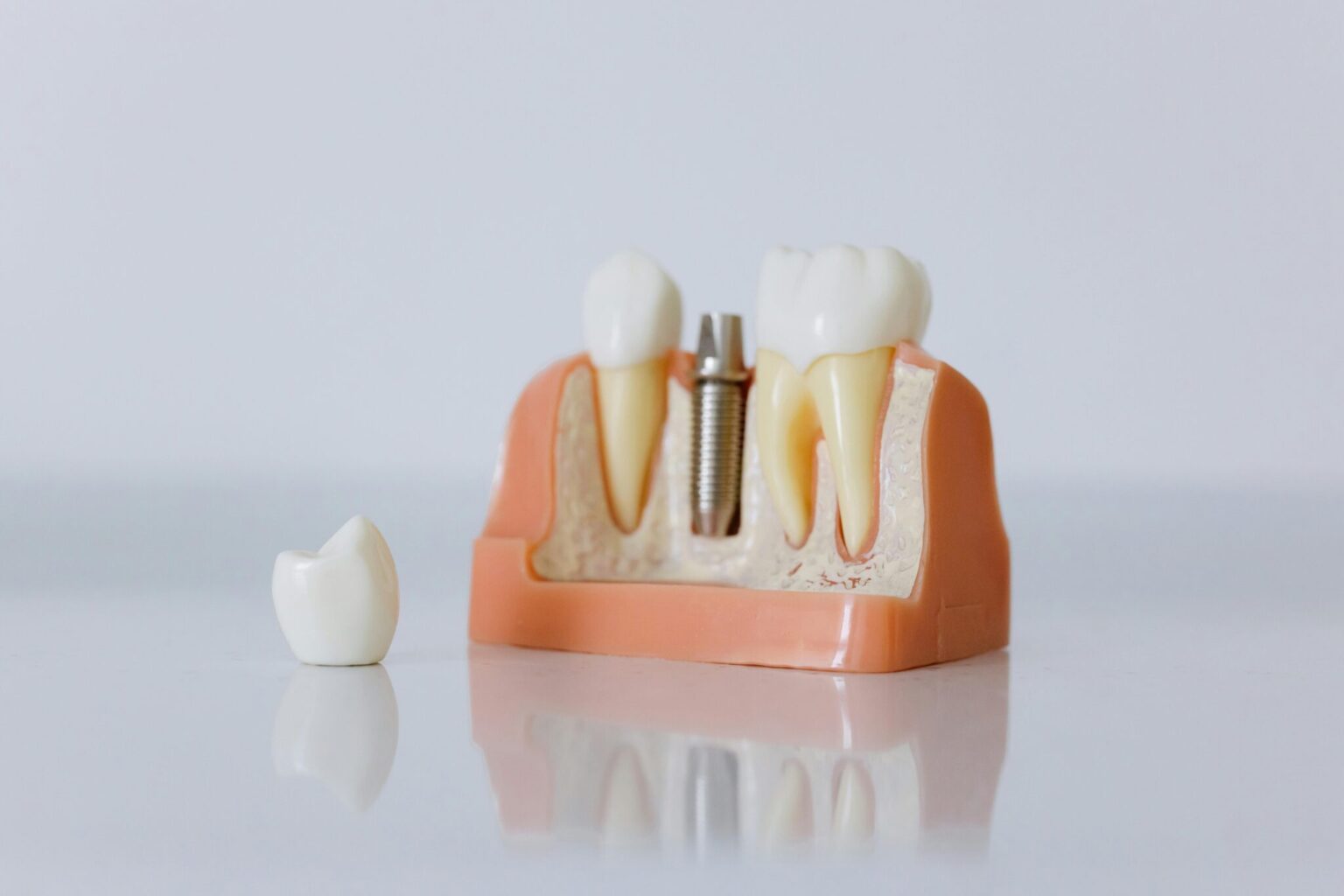
If your dentist has told you that you need a crown, the part that often surprises people is not the permanent restoration. It is the temporary one. Many patients assume the final crown goes on right away, in a single visit, and sometimes that is possible with in-office milling systems. More often, though, there is a waiting period between preparing the tooth and cementing the final crown. That gap is where the temporary crown does a quiet but important job.
Temporary crowns are easy to underestimate because they are, by definition, not meant to last. Still, they matter. A well-made temporary crown protects the tooth, keeps the bite reasonably stable, helps the gums heal in the right shape, and gives you a preview of what daily life will feel like before the permanent crown is placed. When a temporary crown is loose, rough, too high, or ignored, problems tend to show up quickly. Cold sensitivity, sore gums, food trapping, and even tooth movement can all start during this short in-between stage.
Understanding what happens before the permanent crown arrives makes the process less mysterious and usually less stressful. It also helps you know what is normal, what is fixable, and when you should call the dental office.
Why there is a waiting period at all
A permanent crown is not usually something a dentist can improvise chairside in a few minutes. Once a tooth is prepared, the final restoration has to fit with precision. It must seal the margins well, match the bite, align with the neighboring teeth, and look natural if it is in a visible area. That takes planning and fabrication.
In many practices, the dentist shapes the tooth first, then takes a digital scan or a traditional impression. That record goes to a dental laboratory, where a technician designs and fabricates the final crown. Depending on the office workflow, the material chosen, and the complexity of the case, this can take anywhere from several days to a couple of weeks. If the crown is part of a larger plan involving bite adjustments, root canal treatment, or gum healing, the interval may be longer.
During that wait, the prepared tooth is vulnerable. Dentists remove a controlled amount of enamel and sometimes dentin so the final crown will have enough room to sit properly. Once that structure is reduced, the tooth is more exposed to temperature changes, pressure, and bacteria. It also has a new shape that can trap food differently. A temporary crown fills that gap, both physically and biologically.
What a temporary crown is actually made of
Most temporary crowns are made from resin-based materials such as acrylic or bis-acryl. These materials are useful because they can be shaped fairly quickly in the office and adjusted without too much difficulty. They are not as strong or as refined as permanent ceramic or metal-ceramic crowns, but they do not need to be. Their job is to function for a short period while protecting the tooth and surrounding tissues.
The cement used to place a temporary crown is also different. It is usually designed to hold the crown securely enough for normal use, while still allowing the dentist to remove it later without damaging the prepared tooth. That is why temporary crowns can come off more easily than permanent ones, especially if you chew sticky food, grind your teeth, or have very little natural tooth structure left.
This balance matters. If the cement were too strong, removing the temporary could become a problem. If it is too weak, the crown may loosen before your next appointment. Much of crown dentistry is like that, a series of trade-offs managed as carefully as possible.
What happens during the tooth preparation visit
The preparation appointment tends to be longer than many people expect. First, the dentist checks the tooth, surrounding gums, bite, and any old restorations. If decay is present, or if an old filling is cracked or leaking, that has to be addressed before a crown can be made. Sometimes the tooth also needs a build-up, which means adding filling material to replace missing structure and create a better foundation.
Once the area is numb, the tooth is shaped. This step is precise, not simply aggressive drilling. The dentist removes enough material to create room for the final crown while preserving as much healthy tooth as possible. The amount removed depends on the material being used. Some ceramics need a bit more thickness than full metal restorations, for example.
After shaping, the dentist records the tooth and surrounding area with a scan or impression. Bite records are taken so the final crown will meet the opposing teeth properly. Shade matching may happen at this stage too, especially for front teeth where small color differences can stand out.
Only after all of that is complete does the temporary crown come into the picture. It is either fabricated directly over the prepared tooth using a preoperative mold, or made from a shell form and then relined and adjusted. The dentist trims it, checks the margins, polishes rough edges, and makes sure your bite is not too high. Then it is cemented with temporary cement.
When this step is done well, the temporary should feel a little different at first, but not intrusive. It should not feel like a pebble in your mouth, and it should not make you avoid biting down on that side.
The real jobs a temporary crown performs
Patients often hear that a temporary crown "protects the tooth," which is true but incomplete. In practice, it serves several functions at once.
First, it covers the prepared tooth and reduces sensitivity. That can be a major relief, especially with cold drinks or air exposure. Teeth that have had significant reduction, or that already had large fillings, can be very reactive if left uncovered.
Second, it preserves space. Teeth are not fixed like tiles in a floor. They can drift. Opposing teeth can over-erupt slightly if they lose contact. Even subtle movement can complicate the fit of a permanent crown. A temporary crown helps hold things where they should be.
Third, it supports the gums. The way the temporary crown emerges from the gumline influences how the tissue heals and shapes itself. This is especially important in visible areas. A good temporary crown can guide the gingiva into a healthy contour so the final crown looks more natural.
Fourth, it lets the dentist test certain decisions before finalizing them. On occasion, a temporary crown reveals that the bite needs a slight change, or that the contour is trapping food between teeth. Those lessons can be built into the final version.
That is one reason experienced dentists do not treat temporary crowns as an afterthought. In cosmetic or complex restorative cases, the temporary phase can be one of the most informative parts of treatment.
What temporary crowns usually feel like
A temporary crown rarely feels identical to a natural tooth. Patients often describe it as smooth but slightly different in texture, or a little bulkier around the gumline. That is not automatically a problem. Temporary materials are less refined than the final ones, and the polish is generally not as glassy as porcelain.
Mild sensitivity for a few days is common. Tenderness in the gum around the tooth can also happen, particularly if the preparation was close Dental Crowns to the gumline or if the temporary crown presses on tissue that was already inflamed. A small amount of awareness when biting can be normal on the first day, because your mouth is remarkably sensitive to even tiny changes in contact.
What should improve fairly quickly is sharp pain, an obvious high spot, or a feeling that your teeth no longer fit together. If you find yourself unconsciously avoiding one side, or if the crowned tooth touches before all the others, the temporary may need adjustment. This is not a cosmetic complaint. A high temporary can make the tooth sore, strain the jaw, and in some cases irritate the ligament around the root.
Why some temporary crowns fail early
When a temporary crown comes off, people often assume something went terribly wrong. Sometimes that is true. Often it is more ordinary than that.
Temporary crowns are placed on teeth that may have very little remaining structure. The preparation may be short, heavily restored, or shaped in a way that offers limited retention because the dentist is trying to preserve tooth tissue. Add saliva, chewing forces, and temporary cement to the equation, and dislodgement becomes understandable.
Sticky foods are one of the most frequent culprits. Caramel, chewing gum, taffy, even a dense granola bar can catch the edge of a temporary crown and lift it. Flossing can also do it if the floss is snapped down and pulled back up instead of sliding out from the side. Patients are often surprised that their crown survived a sandwich but not a piece of candy.
Grinding or clenching can be another factor. Nighttime pressure on a temporary crown is often far greater than what happens during a meal. If you already wear a night guard, your dentist may want you to continue using it unless told otherwise.
Occasionally, the problem is fit. If the temporary was too loose from the start, had limited contact with the tooth, or sat on a preparation that was difficult to retain, no amount of caution can fully compensate.
Living with a temporary crown without babying it too much
You do not have to treat a temporary crown like spun sugar, but you do need to respect its limits. Most people can eat, work, speak, and brush normally with only minor adjustments.
The main practical issue is avoiding forces that peel rather than compress. Sticky and very chewy foods pull on the crown. Hard foods can crack the temporary material or shift the cement seal if you bite directly on them. Very hot and very cold foods may increase sensitivity if the tooth is already irritated.
Good oral hygiene still matters. In fact, it matters more than many patients realize. The margin around a temporary crown is usually not as perfectly sealed or polished as a final crown, so plaque can collect faster and gum tissue can become inflamed more easily. Inflamed gums bleed more, swell more, and make the final seating appointment less predictable.
If I had to give patients one short, practical set of rules for the days after crown preparation, it would be this:
- Chew on the other side when possible, especially for the first day or two.
- Skip sticky foods such as gum, caramel, and toffee until the permanent crown is placed.
- Brush gently but thoroughly around the temporary crown and gumline.
- Floss carefully, sliding the floss out sideways rather than lifting it straight up.
- Call the office if the crown feels loose, high, or painful.
That advice prevents a surprising number of emergency visits.
What happens if the temporary crown comes off
This is one of the most common crown-related phone calls in general dentistry. The good news is that it is often manageable, as long as you do not ignore it.
If the temporary crown comes off completely, the tooth underneath may look small, oddly shaped, or darker than you expected. That appearance can be unsettling, but it is usually just the prepared tooth and any underlying build-up material. The more important issues are sensitivity, protection, and timing.
A prepared tooth should not be left uncovered for long if it can be avoided. It may become more sensitive, food can pack around it, and nearby teeth may begin to shift. If the crown is intact, some dental offices will ask you to bring it in and will often be able to recement it quickly. In some cases, especially if the temporary is damaged, they may need to make a new one.
People sometimes try to "wait it out" because the permanent crown appointment is only a few days away. That is a gamble. Even a short delay can matter if the tooth moves or the gums swell. When the final crown arrives, a change that seems tiny to you can make the difference between a smooth seat and an appointment full of adjustments.
There are also situations where you should not try to push the crown back on yourself, especially if there is pain, visible damage, or uncertainty about orientation. Temporary crowns often look simple, but they are not always symmetrical. Putting one back on the wrong way can create pressure points or distort the fit.
Signs you should call sooner rather than later
Some discomfort is expected. Certain symptoms are not. Patients often do better when they know the difference clearly.
- Pain that worsens instead of improving after the first few days
- A bite that feels obviously high or uneven
- A temporary crown that rocks, lifts, or repeatedly comes loose
- Gum swelling, bad odor, or a bad taste around the tooth
- Sharp sensitivity that lingers or wakes you at night
Those signs do not always mean the tooth is in serious trouble. Sometimes the fix is as simple as a bite adjustment or recementation. Still, they deserve attention because minor problems around temporary crowns can become larger ones when ignored.
How the permanent crown appointment usually goes
By the time you return, the permanent crown has been fabricated based on the records taken at the preparation visit. The dentist removes the temporary crown, cleans off the temporary cement, and evaluates the prepared tooth and surrounding gum tissue. If the tooth has remained stable and the tissue is healthy, the fitting process is usually straightforward.
The permanent crown is tried in first. The dentist checks the margins, contact points with neighboring teeth, color if relevant, and the way it meets the opposing teeth. This is the stage where the temporary crown has already done part of its job. If the tooth position and gum contour have been maintained, the final crown has a much better chance of seating as intended.
Sometimes adjustments are minor. Occasionally they are not. A contact may be too tight, the bite may need refinement, or the shade may be slightly off under natural light. In some cases, the crown is not approved and has to be remade. Patients are often frustrated when that happens, but it is usually a sign that the dentist is protecting the long-term result rather than accepting a compromised fit.
Once the crown is approved, it is cemented or bonded depending on the material and the clinical situation. The difference between those terms matters more to dentists than to patients, but both aim to secure the restoration and seal the interface between tooth and crown.
Cases where the temporary phase matters even more
Not all crown cases are equal. A single crown on a back tooth with healthy gums and straightforward anatomy is one thing. A front tooth with a high smile line is another entirely.
For anterior crowns, temporary restorations can be crucial for aesthetics. They allow the dentist to evaluate tooth length, lip support, phonetics, and gum contour before committing to the final shape. Even tiny changes in length can affect the way a person says certain sounds, especially "f" and "v." Patients often notice this before they notice anything visual.
Teeth that have had root canal treatment can also behave differently during the temporary phase. They may be less sensitive because the nerve has been removed, but the remaining tooth structure is often more fragile. In those cases, the temporary crown is still protective, just for different reasons.
Bridge cases, implant restorations, and full-mouth rehabilitation bring their own complexity. In these situations, temporary restorations can function as prototypes, helping both patient and dentist test bite position, comfort, and appearance over time. That is a very different role from the average short-term temporary crown, but it shows how important the interim stage can be.
Common misconceptions that make the process harder
One persistent misunderstanding is that a temporary crown is unimportant because it is "only for a week or two." Short-term does not mean low-stakes. The period between preparation and delivery is when the tooth is most exposed and the final fit is most vulnerable to disruption.
Another misconception is that any discomfort means the crown has failed. A little soreness around the gum, slight temperature sensitivity, and a sense that the tooth feels different are all common. The question is whether those symptoms are settling down or intensifying.
Patients also sometimes assume that if a temporary crown looks plain, the final crown will too. The materials and finishing are usually very different. Temporary crowns are functional placeholders. Permanent crowns are designed for fit, durability, and, when needed, detailed aesthetics. Judging the final result by the temporary is like judging custom cabinetry by the shipping crate.
The bottom line on temporary crowns
Temporary crowns sit in an awkward category. They are not glamorous, not especially durable, and not the part of the process anyone gets excited about. Yet they carry more responsibility than their name suggests. They protect a freshly prepared tooth, preserve spacing, support the gums, and buy time for a well-made final restoration to be completed.
If your temporary crown feels slightly unfamiliar, that is normal. If it feels unstable, painful, or obviously wrong, that is worth a call. Most problems during this stage are manageable when they are handled early. The patients who have the easiest permanent crown appointments are often the ones who treated the temporary as part of the treatment, not a disposable extra.
When Dental Crowns are done well, the final result depends on many small decisions that happen before the permanent restoration ever touches the tooth. The temporary crown is one of those decisions, and it often matters more than patients realize.
Omni Dental Specialty
1690 E Gonzales Rd, Oxnard, CA 93036, United States
+1 805-410-9603
FAQ About Dental Crowns
How long do crowns last on teeth?
A dental crown often lasts about five to fifteen years, although some last longer. Material, the underlying tooth, oral hygiene and grinding habits affect longevity. Regular dental examinations help identify wear, decay or a loose crown; no lifespan is guaranteed.
How much does a tooth crown cost?
There is no single price for every crown. Material, laboratory work, the condition of the tooth and any additional treatment affect the fee. Ask for a written estimate and confirm your insurance benefits, exclusions and out-of-pocket costs before treatment.
What is the downside of crowns on teeth?
A conventional crown usually requires irreversible removal of some tooth structure. Possible problems include sensitivity, chipping, loosening and decay at the crown margin; some teeth later need root canal treatment. Discuss your tooth's condition, material choices and suitable alternatives with your dentist.
Ends · STEPHENPUHR964